Srah Damrey
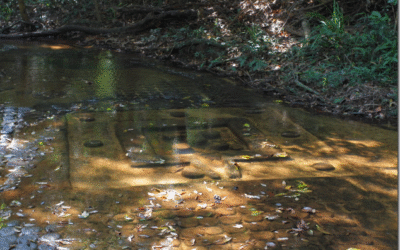
1000 lingas” refers to Kbal Spean, an archaeological site in Cambodia known as the “River of a Thousand Lingas,” where hundreds of Hindu carvings are etched into the riverbed of the Steung Siem Reap River. The lingas, or phallic symbols, represent the Hindu deity Shiva, and their carving into the riverbed was done to bless the water, making it sacred and fertile. The carvings include figures of Hindu gods and goddesses, as well as animals, and date back to the 11th and 12th centuries.
Key features and significance
Location: The site is on the sacred Steung Siem Reap River, on Phnom Kulen mountain in the Angkor region of Cambodia.
Carvings: The main feature is the over 1,000 lingas carved into the sandstone riverbed. Other motifs include the yoni (representing the goddess Shakti), and carvings of Hindu gods like Vishnu, Shiva, and Brahma.
Purpose: The carvings were created to purify the water, making it a sacred and fertile source for the rice fields that would be watered by the river.
Historical context: The site was developed over time, with major contributions made during the reigns of kings like Suryavarman I and Udayadityavarman II in the 11th and 12th centuries.
Name: The site is also referred to as “The Valley of a Thousand Lingas” or the “River of a Thousand Lingas”. The natural rock bridge that spans the stream is also why the site is called Kbal Spean, which translates to “bridgehead”.
Visiting the site
When to visit: The rainy season is ideal, as the higher water flow makes the carvings more visible. However, some visitors suggest visiting in the dry season when the water is lower and more of the carvings are visible.
What to expect: The site is a trek, so wear appropriate footwear. The area is also a popular tourist destination and a sacred site for locals.
Fees: There is typically an entrance fee to access Phnom Kulen National Park, where Kbal Spean is located.